
Which Lenses Should I Use for Travel Photography?
- Blue Crow Tours

- Jul 2
- 5 min read
The honest answer most photography guides won't give you: it depends — but not on your camera brand.
If you've ever Googled "best lens for travel photography," you've probably been buried under specs, affiliate links, and lists that feel suspiciously like camera-store catalogs. This guide is different. We're going to talk about how you actually travel, what you actually shoot, and help you figure out which lens — or lenses — belong in your bag.

Why Your Lens Choice Matters More Than Your Camera
Here's a truth: a €300 lens on a €1,500 camera will often disappoint you more than a €1,500 lens on a €300 camera. The lens defines how you see the world. It determines depth of field, sharpness in corners, low-light capability, and — critically for travel — how much your shoulder aches after six hours of wandering.
Before we dive into specific options, ask yourself three questions:
What do I shoot most? Cityscapes and architecture require different glass than candid street portraits or landscapes.
How much am I willing to carry? A two-lens kit that covers everything sounds smart until kilometer four of a cobblestone walking tour.
Am I a switcher or a one-lens photographer? Changing lenses in dusty markets, rainy forests, or crowded temples can get annoying — and risks sensor contamination.
The Core Lens Types for Travel
1. The Walkaround Zoom (The Workhorse)
A walkaround zoom — typically covering a 24–105mm or similar range — is the closest thing to a "do everything" lens. You can shoot a wide cathedral interior at 24mm and snap a detail on a facade at 105mm without moving your feet.
The trade-off is aperture. Most walkaround zooms have a variable aperture of f/3.5–5.6 or f/4–6.3. This means you'll notice the limitations in dim restaurant interiors, golden-hour alleys, or evening street scenes.
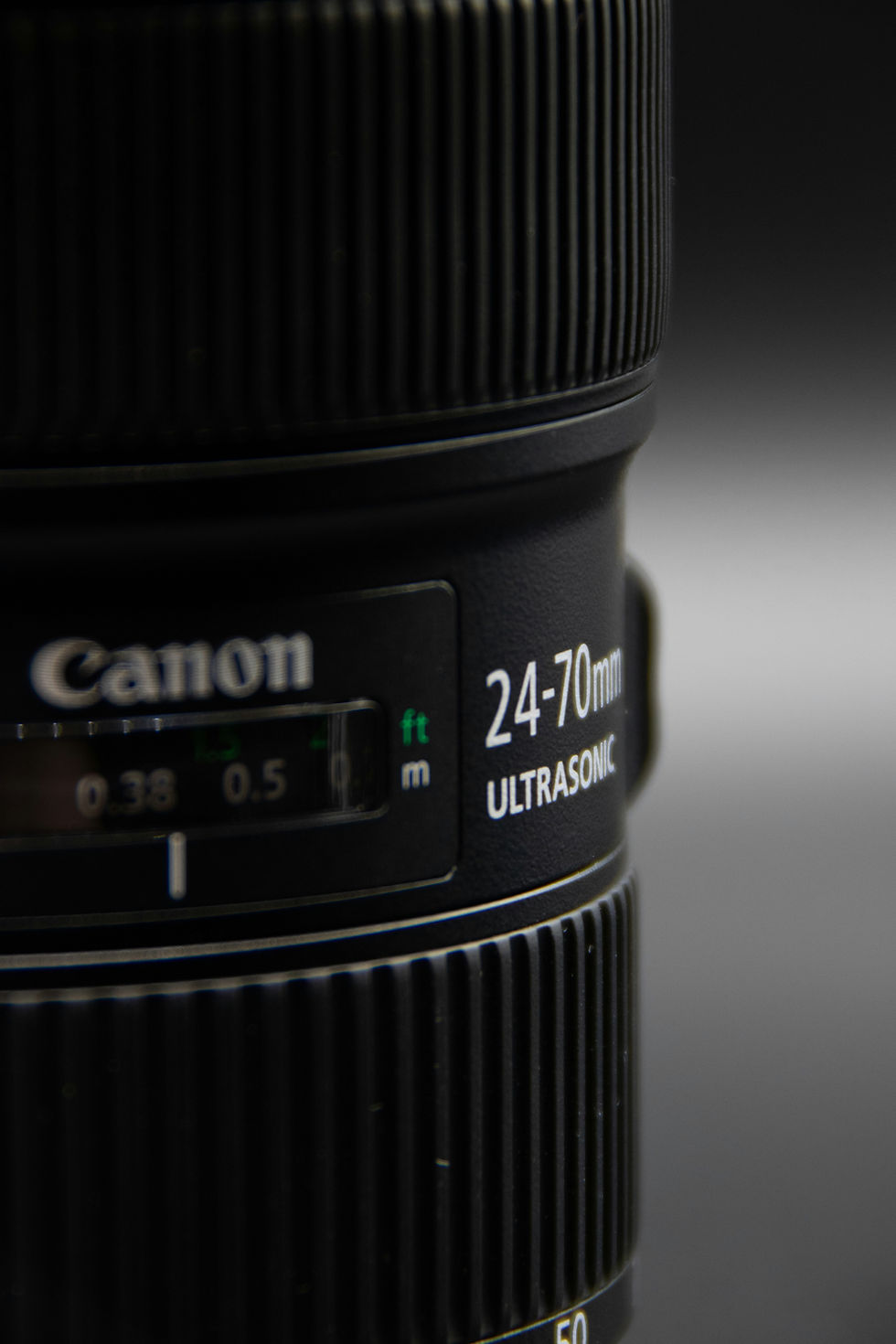
Best for: Travelers covering a lot of ground who want flexibility without complexity. If you're visiting a new city for the first time and want to document everything from iconic landmarks to quiet side streets, a good walkaround zoom will rarely let you down.
Popular choices across systems:
Canon RF 24–105mm f/4L IS USM
Sony FE 24–105mm f/4 G OSS
Nikon Z 24–120mm f/4 S
Fujifilm XF 18–120mm f/4 (APS-C)
2. The Superzoom (The Minimalist's Friend)
Superzooms — think 28–200mm or even 18–300mm — promise to replace your entire lens collection with a single piece of glass. And for many travelers, they genuinely deliver on that promise.
But the compromises are real: image quality, especially in corners and at the extreme ends of the range, doesn't match dedicated lenses. Maximum apertures are narrow. But if your goal is to travel light and capture the moment — rather than produce gallery prints — a superzoom is worth serious consideration.
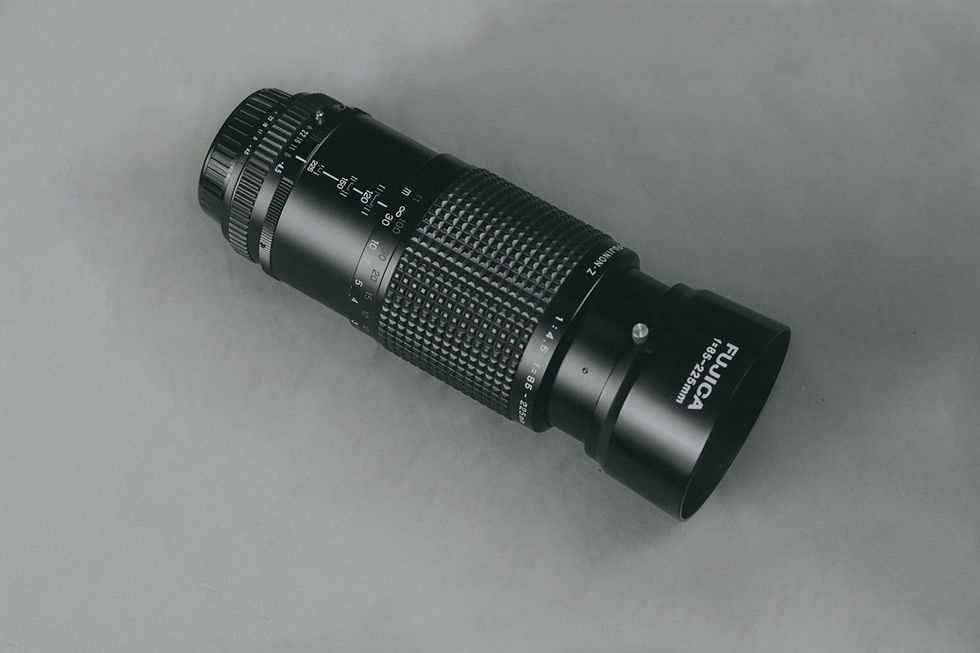
Best for: Travelers who prioritize convenience over ultimate image quality; photographers on multi-week trips where every gram counts.
3. The Prime Lens (The Low-Light Hero)
A prime lens has a single, fixed focal length, for example 20mm, 50mm or 80mm. No zoom ring. If you want to get closer to your subject, you move your feet.
The advantage is substantial: Prime lenses gather dramatically more light than zoom lenses and usually have wider apertures down to /1.4, f/1.8, f/2 . They're also typically sharper, lighter, and force you to compose more deliberately — a constraint that many photographers find creatively liberating.
The 35mm focal length is widely considered the sweet spot for travel photography. It's close to the human eye's natural perspective, wide enough for environmental context, and long enough for casual portraits without distortion. The 50mm is another classic: slightly more compressed, beautiful for street scenes, portrait and food photography.
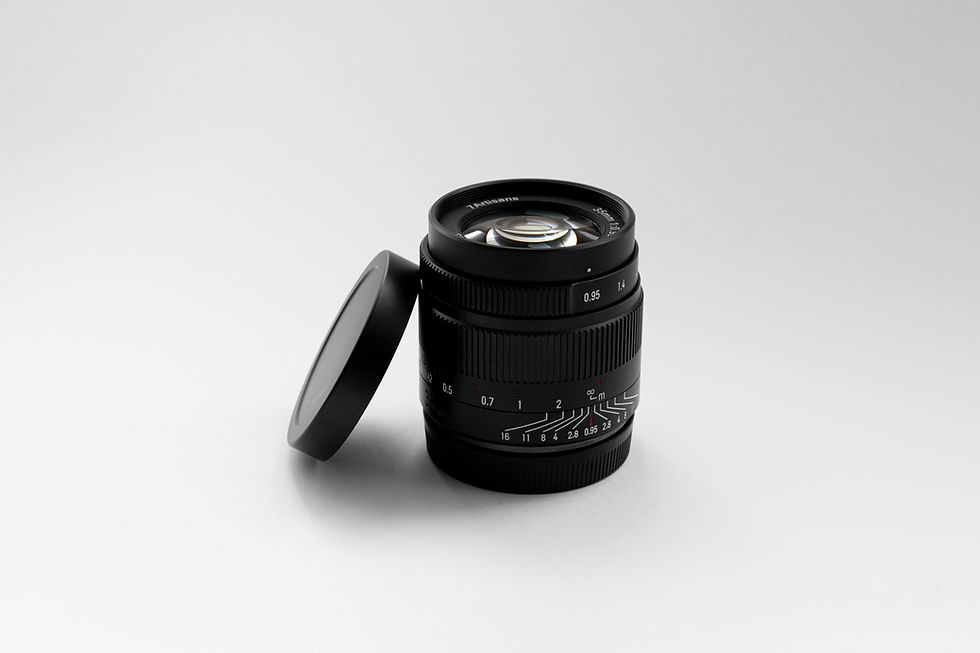
Best for: Photographers who want exceptional image quality in a compact package; anyone who shoots a lot in low light, at dawn, or indoors.
Popular choices:
Any manufacturer's 35mm f/1.8 (most brands offer an excellent, affordable option)
50mm f/1.8 (the legendary "nifty fifty")
20mm f/2 for astro photography
4. The Wide-Angle Lens (The Landscape Specialist)
If your travel photography is dominated by sweeping landscapes, dramatic skies, or the interiors of cathedrals and narrow streets, a dedicated wide-angle lens (14–24mm range) opens up possibilities that a standard zoom simply can't match.
Be aware that wide-angle lenses exaggerate perspective — lines converge, faces distort if you're too close, and foreground elements loom large. Used well, this creates powerful compositional drama. Used carelessly, it produces images that feel warped and artificial.
Best for: Landscape and architecture specialists; photographers drawn to dramatic, immersive compositions.
The Classic Two-Lens Kit
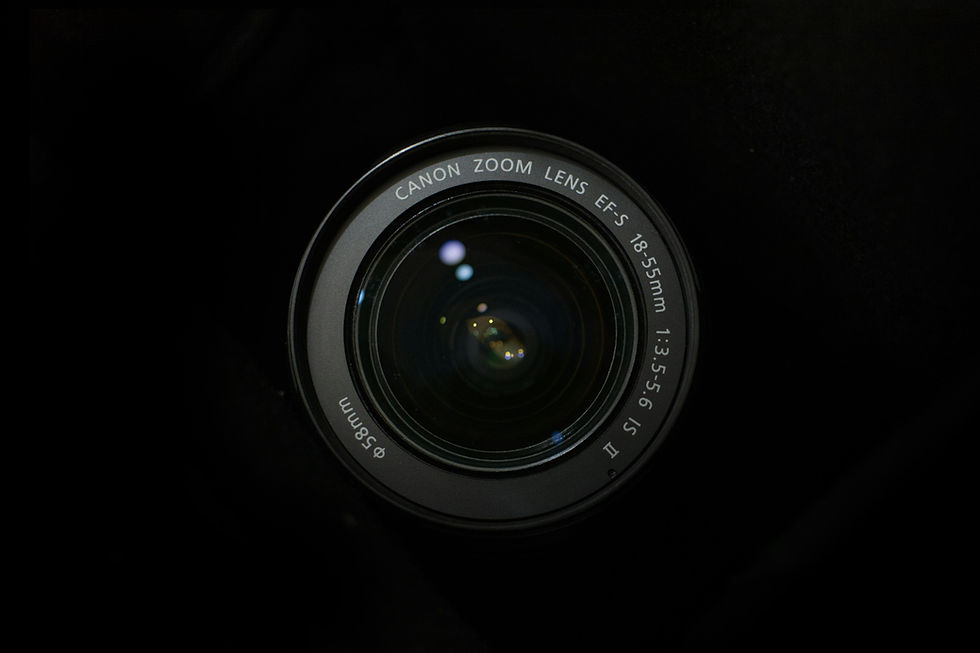
If you're willing to carry two lenses and occasionally swap between them, the most versatile travel kit is simple: A walkaround zoom + a fast 35mm or 50mm prime.
The zoom handles everything in daylight and when you need range. The prime takes over for landscapes and in the evening, in markets, in restaurants — anywhere the light drops or you want a different quality of image. Between these two lenses, you can handle approximately 95% of travel photography situations.
What About Your Camera System?
The lens recommendations above cut across all major systems — Canon RF, Nikon Z, Sony E-mount, Fujifilm X, Micro Four Thirds, and others. Every major manufacturer offers excellent versions of the lens types described here. The best lens for you is the one built for your camera's mount.
One practical note: Micro Four Thirds (MFT) systems from Olympus/OM System and Panasonic offer a significant weight advantage. Because the sensor is smaller, the lenses are physically more compact. A complete two-lens MFT kit can weigh half as much as an equivalent full-frame setup — a meaningful difference over a long day of shooting.
Scouting Before You Shoot
One of the most underrated steps in travel photography is pre-trip location research. Knowing what a place looks like before you arrive — its scale, its light at different times of day, its defining visual elements — helps you decide which lens to bring in the first place.
This is exactly the kind of visual preparation that virtual photo tours make possible. With Blue Crow Tours, you can explore a destination's key photography locations in depth before booking flights, helping you decide whether that location calls for a wide-angle specialist or a versatile zoom. There's no substitute for arriving prepared.
Quick Reference: Lens Choice by Shooting Style
Style | Recommended Lens(es) |
City sightseeing, mixed subjects | 24–105mm walkaround zoom |
Minimalist, one-lens travel | Superzoom (28–200mm range) |
Low-light & evening photography | Fast prime (35mm or 50mm f/1.8) |
Landscapes & architecture | Wide-angle zoom (16–35mm) |
Versatile two-lens kit | Walkaround zoom + 35mm prime |
Portraits & compressed street scenes | 85mm f/1.8 |
Astro photography | Prime lens 20mm f/1.8 |
Wildlife photography | Zoom lens 100-100mm f/4 |
The Bottom Line
There is no single "best" travel photography lens — and any guide that tells you otherwise is probably selling you something. The best lens is the one that matches your shooting style, fits your physical tolerance for weight, and gets used.
Start with one lens. Learn its limitations. Then add a second lens to address those gaps. Most photographers who have been at it for years end up with a simpler kit than when they started — not because they couldn't afford more glass, but because they learned what they actually needed.
For example - I started out with a wide-angle 16 - 35mm f/4 lens, because I focussed on landscape photography. Then I added a 20mm f/1.8 prime lens for Astro photography, a 70-200mm Zoom lens and a 25-70mm walkaround zoom. Now, I hardly use my wide angle and narrowed my lenses down to a 20mm f/1.8 prime lens, a 24-105mm f/2 zoom and a 100-400mm f/4 zoom. With these three lenses I can cover all photography scenarios from landscape to nightsky to street photography.
And remember: the photographers who come home with the most compelling images are rarely the ones carrying the most equipment. They're the ones who knew what they were looking for before they arrived.
Blue Crow Tours offers pre-recorded virtual photo tours of destinations worldwide, helping photographers scout locations, understand the light, and plan their shoots before they travel.

Comments