
The Best Photo Spots in Ticino, Switzerland: Verzasca, Val Bavona and the Lake Maggiore Shore


The most photogenic corners of Ticino sit in three clusters: the turquoise Verzasca valley around the Ponte dei Salti in Lavertezzo, the stone hamlets of Val Bavona and Val Lavizzara, and the palm-lined lakefront of Locarno and Ascona on Lake Maggiore.
Key takeaways
Lavertezzo's Ponte dei Salti is the single most photographed spot in Ticino — go at sunrise or sunset for empty rocks and low, even light on the arches.
Val Bavona (Sonlerto, Foroglio, Sabbione) is a string of stone hamlets along one easy valley trail.
The round marble-and-granite church in Mogno, designed by Mario Botta after a 1986 avalanche destroyed the original, is worth the detour on its own for geometic photography.
Locarno and Ascona get over 2,300 hours of sunshine a year — the palm-lined promenades work best in early morning or at aperitivo hour.
Bring a tripod and at least a 6-stop ND filter — Ticino's photography is built on long-exposure water, not just wide shots.
Verzasca Valley: Lavertezzo and the Ponte dei Salti

Lavertezzo sits about 25 minutes north of Locarno by car, or 42 minutes on PostBus route 321. Its double-arched stone bridge, the Ponte dei Salti, was originally built in the 17th century, partly destroyed by a flood in 1868, and rebuilt in 1960. It spans a pool of granite carved smooth by the Verzasca river, and the water runs an almost unreal turquoise on a clear day.
The bridge is at its best early — before the crowds arrive and while the sun still angles low across the granite instead of flattening it from overhead. Park at the larger all-day lot about 50 metres up the road (metered, card or app) rather than fighting for the short-term spots right by the bridge.
Photography tips
Shoot from the rocks on the river's west bank, low to the water, so the double arch reads clearly against the sky — a 24–35mm focal length keeps both arches in frame without distorting them.
A polarizer cuts the glare off the water's surface and pulls out the turquoise colour that makes this shot recognisable — rotate it while looking through the viewfinder until the colour peaks.
For a long exposure of the water around the rocks, use a 3–6 stop ND filter, f/8–f/11, and 1–2 seconds — enough to smooth the current without losing all texture in the pools.
If people are jumping from the bridge, switch to shutter priority around 1/1000s and pre-focus on the jump point — the light gap between the arches is where they're briefly silhouetted.
Come back an hour before sunset for warm side-light on the stone houses just behind the bridge — the village itself is easy to skip, and it shouldn't be.
Val Bavona: Sonlerto, Foroglio and Sabbione

Val Bavona is reached by turning off at Cavergno, the last village in Valle Maggia. It's a single road following the valley floor past a string of stone hamlets, most inhabited only from April to October, tucked between huge boulders that have rolled down from the cliffs above.
Sonlerto, at the valley's end, is the best-preserved example of the local building style — dry-stone houses roofed in split stone slabs, built directly against and under the boulders for shelter. From Sonlerto, an easy, flat family trail follows the valley down through Foroglio to Bignasco; walking it beats driving spot to spot, since most of what makes this valley worth photographing is the transition between hamlets, not any single frame.

Foroglio is the valley's centrepiece: a 110-metre waterfall, one of the highest in Ticino, drops directly behind the stone village and its 15th-century chapel. Sabbione, a smaller hamlet further along the same trail at roughly 647 metres elevation, is easy to miss on a map but sits right on the path — worth the extra ten minutes for photographers who want the hamlets without the Foroglio crowds.
Photography tips
At Foroglio, shoot the waterfall from the small bridge at the village edge so the stone houses and chapel tower sit in the same frame as the falls — a vertical composition works better here than wide.
For the waterfall itself, use a 4–10 stop ND filter depending on light, f/11, and 1–4 seconds — long enough to turn the water into a soft veil against the dark rock.
In Sonlerto and Sabbione, shoot low and close to the stone walls with a wide lens (16–24mm) to show how the houses are built into the boulders — this is the detail generic drone shots of the valley always miss.
Overcast days actually work in this valley's favour: flat light removes the harsh shadows the boulders throw at midday and lets the stone texture read evenly.
Val Lavizzara and Val Rovana: Prato Sornico, Cerentino and the Church of Mogno

One valley over, Val Lavizzara holds Prato Sornico, a former double village (merged with Sornico in 1864) known locally for its "sentieri di pietra" — stone paths — and 15th-century houses that once housed the valley's governors. It's quieter than Val Bavona and rewards a slower walk through the village itself rather than a single viewpoint.
A 30-minute drive further up sits Mogno, home to the round Church of San Giovanni Battista — and worth a note on the name: it's Mogno, not "Mongo," a detail worth getting right for anyone searching for it. An avalanche destroyed the original 17th-century church on 25 April 1986; architect Mario Botta, born in Ticino himself, was commissioned to rebuild on the same footprint. Completed in 1996, the new church is a cylinder cut on a diagonal, its walls striped in alternating grey Riveo granite and white Peccia marble, roofed by a sloped glass ceiling. Only two 1746 bells survived the avalanche and now hang in the new tower.
Church of San Giovanni Battista Church of San Giovanni Battista
Cerentino lies in the neighbouring Val Rovana, on the road toward the Walser village of Bosco Gurin — Ticino's highest inhabited village and its only German-speaking one. Cerentino itself is a quieter stop: a working mountain village rather than a curated photo spot, which is exactly its appeal if the goal is village life rather than another postcard view.

Photography tips
At Mogno, shoot the striped exterior from a slight low angle so the diagonal roofline reads against the sky — midday sun on the marble bands gives the strongest contrast between the grey and white stripes.
Ask about interior access before you go — the tiny nave seats only 15 and light through the sloped glass roof changes fast, so if you get in, work quickly and bracket your exposure for the bright roof against the darker stone walls.
In Prato Sornico look for doorways and window shutters rather than full building facades — the stone-path detail and worn wood textures are the information-gain shot here, not another wide village view already covered by every regional guide.
Lake Maggiore: Locarno and Ascona

Locarno and Ascona sit on opposite sides of the Maggia river delta on Lake Maggiore, connected by a lakeside path that takes under 30 minutes to walk. Between them they get more than 2,300 hours of sunshine a year, and the microclimate lets palm trees grow with snow-capped peaks visible behind them — the contrast that makes this stretch of lakefront worth its own dedicated session, separate from the alpine valleys above.
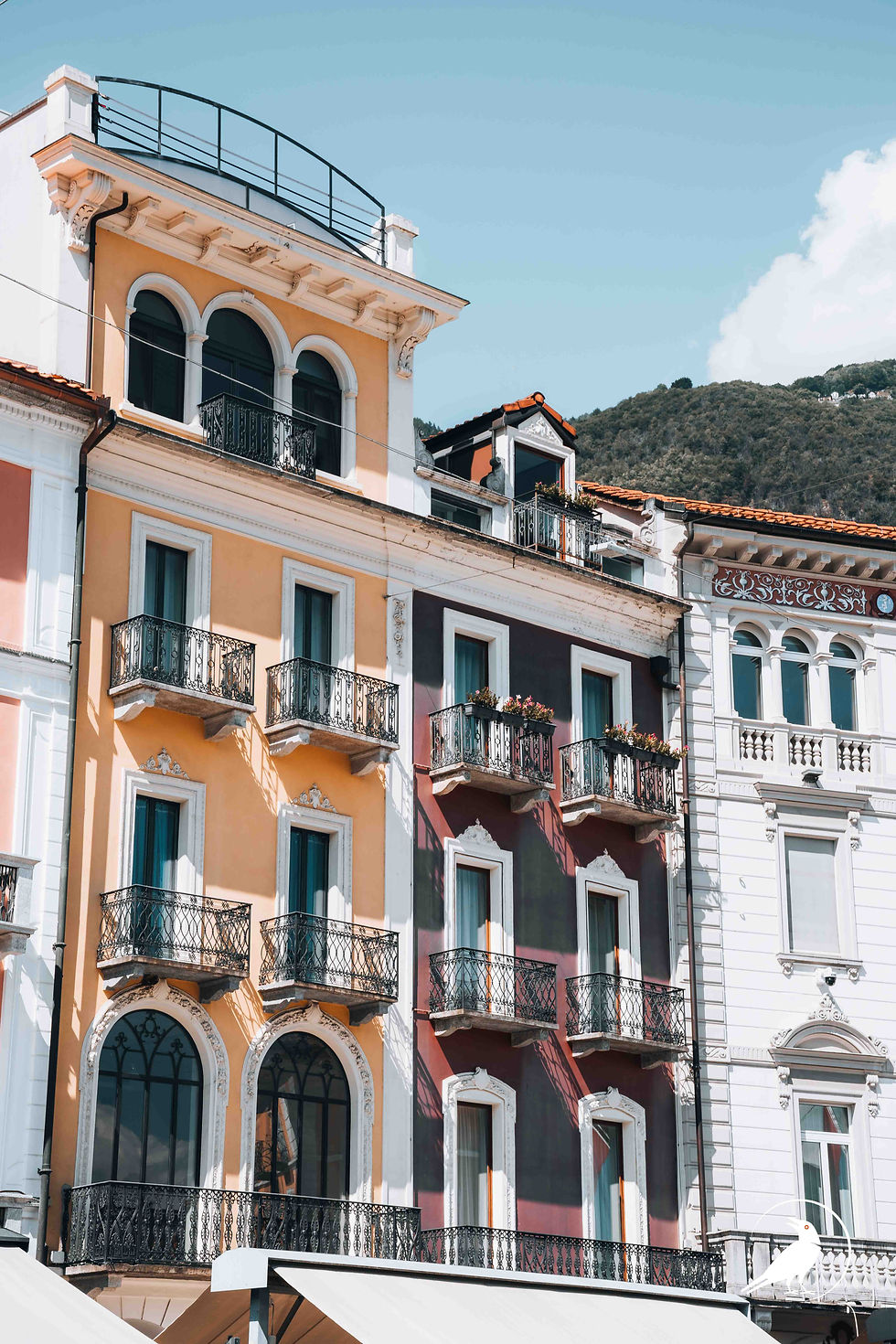
Locarno's Piazza Grande, lined with 19th-century arcaded buildings, has hosted a weekly market every Thursday since 1164. Ascona's Lungolago promenade is the more polished of the two — pastel houses, palm trees, and Belle Époque hotels bookending a waterfront that's genuinely busiest at aperitivo hour, roughly 18:00–20:00.
Photography tips
Shoot the Ascona promenade in the first hour after sunrise, before people fill the frame — the same view at aperitivo hour trades photographic clarity for atmosphere, so decide which you're there for.
For a lake-and-mountains shot, look for a gap in the palm trees where snow-capped peaks show behind them — this pairing only works from certain points along the promenade, so walk the full stretch once before committing to a spot.
In Locarno's Piazza Grande, the arcades give even, shaded light most of the day — good for architectural detail shots when the lakefront itself is too harshly lit around midday.
For a sunset shot over the lake, position west-facing from either promenade; the lake's water is calmest in early morning if reflections matter more than colour.
FAQ
What's the best time of year to photograph Ticino's stone villages?
Late spring through early autumn (May–September), since most Val Bavona hamlets are only inhabited and accessible April to October, and the light lasts longest for the valley-floor trail between them.
Do I need a car to see Lavertezzo, Val Bavona and Mogno in one trip?
A car makes it far easier — the three valleys fan out from Locarno in different directions and public transport between them involves multiple bus changes. If you're relying on buses, pick one valley per day rather than trying to combine them.
Is the Ponte dei Salti worth visiting if it's crowded?
Yes, but time it for early morning or late afternoon — the crowds concentrate around midday in summer, and the bridge and its light both improve outside those hours.
If you want a guided route through all of these spots — with GPS coordinates, recommendations for camera settings for each one, and video tutorials on the technique that suits this kind of light — our self-guided Photo Tour for Switzerland include Ticino in detail.


Comments